

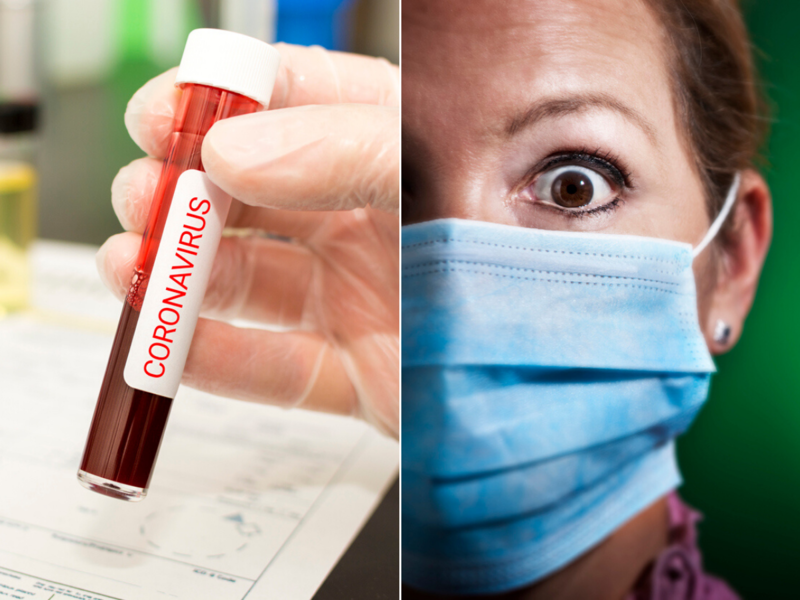
India’s first coronavirus case confirmed in Kerala
While the country was already dreading the deadly coronavirus, the first case has been confirmed in Kerala on Thursday, which makes the situation even alarming.
The patient is a student of Wuhan University and is currently stable and in isolation at the hospital, according to a statement from the Health Ministry.
The virus has killed more than 170 people in China so far and it’s alarming because the virus is spreading to the other countries as well.
More information related to the first confirmed case will be released soon, says the Health Minister Dr Harsh Vardhan.
According to the Union Minister, the measures taken by the government have led to the detection of the patient who tested positive for the Novel Coronavirus.
The screening of passengers at more than 20 airports, especially those who have a travel history of China is how this patient could be traced, says the Health Minister.
It is important to remember
Unfortunately, as of now, there is no known cure for the Wuhan killer strain (2019-nCoV). This is why practicing basic precautions to safeguard yourself and your loved ones from the novel corona-virus is extremely important. One needs to avoid coming in contact with people who are sick as it is the best option to reduce the risk of infection. Here are some of the other standard precautions you must follow:
- Wash your hands frequently, especially after using a public transport. Make it a point to clean your hands for at least 30 seconds
- Avoid touching your nose, mouth and eyes
- Strictly avoid coming in close contact with farm or wild animals
- Make it a point to avoid eating raw or uncooked meat
- Use alcohol-based rubs to wash your hands
- Avoid close contact with anyone who has flu-like symptoms
What’s to know about corona-viruses?
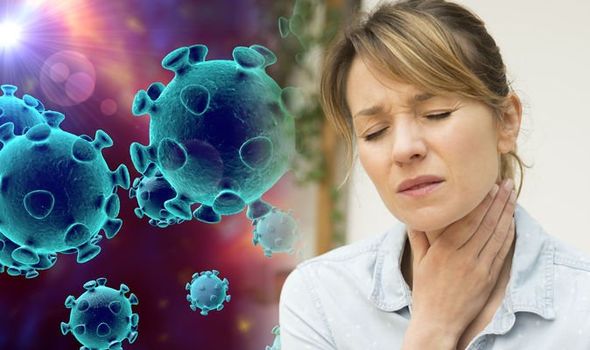
Coronaviruses are types of viruses that typically affect the respiratory tract of mammals, including humans. They are associated with the common cold, pneumonia, and severe acute respiratory syndrome (SARS) and can also affect the gut.
A coronavirus was first isolated in 1937 from an infectious bronchitis virus in birds that has the ability to seriously devastate poultry stocks.
These viruses are responsible for between 15 and 30 percent of common colds.
Over the last 70 years, scientists have found that coronaviruses can infect mice, rats, dogs, cats, turkeys, horses, pigs, and cattle.
This MNT Knowledge Center article will focus on the different types of human coronaviruses, their symptoms, how they are transmitted, and two particularly dangerous diseases that can be caused by coronaviruses: SARS and MERS.
Fast facts on coronaviruses
- There is no cure for the common cold.
- A coronavirus causes both SARS and MERS.
- Coronaviruses infect many different species.
- There are six known human coronaviruses.
- SARS spread from China to cause infection in 37 countries, killing 774 people.
Corona-viruses can cause flu-like symptoms and respiratory symptoms.
Human coronaviruses (HCoV) were first identified in the 1960s in the noses of patients with the common cold. Two human coronaviruses are responsible for a large proportion of common colds OC43 and 229E.
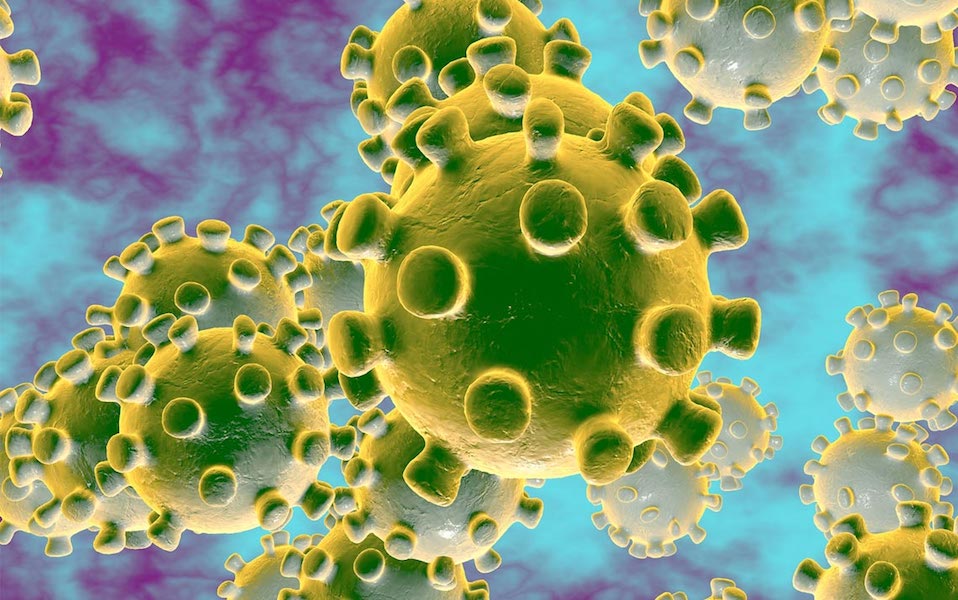
Coronaviruses were given their name based on the crown-like projections on their surfaces. “Corona” in Latin means “halo” or “crown.”
Among humans, infection most often occurs during the winter months as well as early spring. It is not uncommon for a person to become ill with a cold that is caused by a coronavirus and then catch it again about four months later.
This is because coronavirus antibodies do not last for a very long time. Also, the antibodies for one strain of coronavirus may be useless against other strains.
Top of Form
Bottom of Form
Cold- or flu-like symptoms usually set in from two to four days after coronavirus infection, and they are typically mild.
Symptoms include:
- sneezing
- a runny nose
- fatigue
- a cough
- in rare cases, fever
- a sore throat
- exacerbated asthma
Human coronaviruses cannot be cultivated in the laboratory easily, unlike the rhinovirus, another cause of the common cold. This makes it difficult to gauge the coronavirus’ impact on national economies and public health.
There is no cure, so treatments include taking care of yourself and over-the-counter (OTC) medication:
- Rest and avoid overexertion.
- Drink enough water.
- Avoid smoking and smoky areas.
- Take acetaminophen, ibuprofen or naproxen to reduce pain and fever.
- Use a clean humidifier or cool mist vaporizer.
The virus responsible can be diagnosed by taking a sample of respiratory fluids, such as mucus from the nose, or blood.
Different types of human coronaviruses vary in the severity of illness they cause and how far they can spread.
There are currently six recognized types of coronavirus that can infect humans.
Common types include:
- 229E (alpha coronavirus)
- NL63 (alpha coronavirus)
- OC43 (beta coronavirus)
- HKU1 (beta coronavirus)
Rarer, more dangerous types include MERS-CoV, which causes Middle East Respiratory Syndrome (MERS), and severe acute respiratory syndrome (SARS-CoV), the coronavirus responsible for SARS.
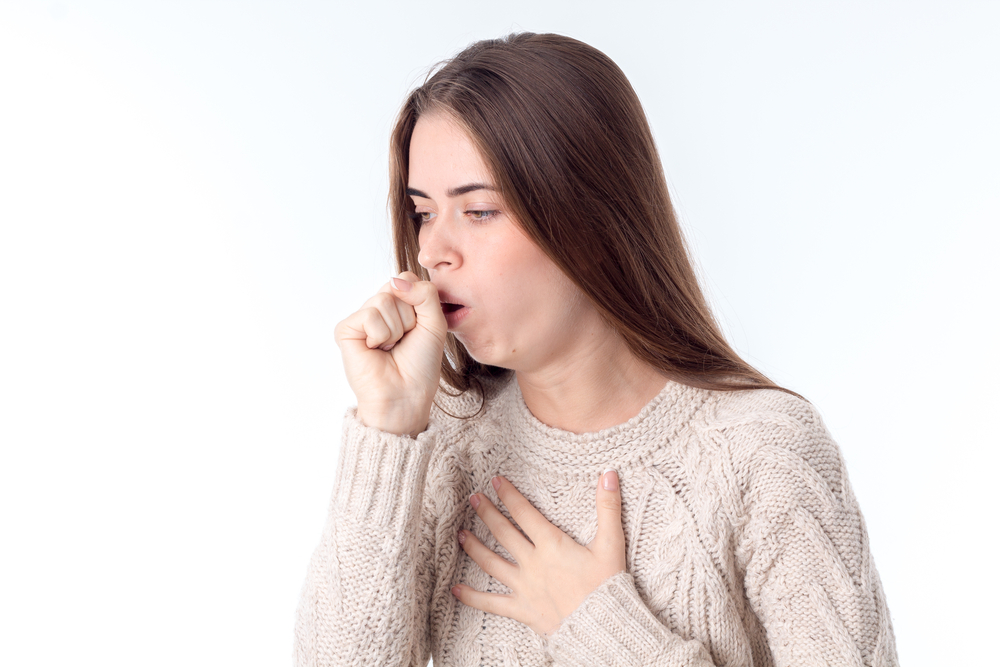
Contagious diseases can spread through coughing without covering the mouth.
There has not been a great deal of research on how a human coronavirus spreads from one person to the next.
However, it is believed that the viruses transmit using secreted fluid from the respiratory system.
Coronaviruses can spread in the following ways:
- Coughing and sneezing without covering the mouth can disperse droplets into the air, spreading the virus.
- Touching or shaking hands with a person that has the virus can pass the virus from one person to another.
- Making contact with a surface or object that has the virus and then touching your nose, eyes, or mouth.
- On rare occasions, a coronavirus may spread through contact with feces.
People in the U.S. are more likely to contract the disease in the winter or fall. The disease is still active during the rest of the year. Young people are most likely to contract a coronavirus, and people can contract more than one infection over the course of a lifetime. Most people will become infected with at least one coronavirus in their life.
It is said that the mutating abilities of the coronavirus are what make it so contagious.
To prevent transmission, be sure to stay at home and rest while experiencing symptoms and avoid close contact with other people. Covering the mouth and nose with a tissue or handkerchief while coughing or sneezing can also help prevent the spread of a corona-virus. Be sure to dispose of any used tissues and maintain hygiene around the home.
 mefitsonline.health.blog